
2024 - New India Publishing Agency
ID: 6354280
E-book PDF (1,34 Mb)
Consultabile solo con Adobe Acrobat Reader - software gratuito - (scopri come aprire i documenti)
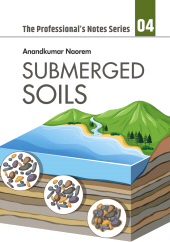
Submerged Soils
150 p.
Volume 04 uncovers the significance of soils subjected to waterlogging and submersion, particularly in the context of India. Submerged soils, also known as waterlogged soils or hydric soils, are those that experience prolonged periods of saturation or inundation with water. Found in wetlands, floodplains, rice paddies, and coastal areas, these soils play a critical role in regulating water flow, nutrient cycling, and biodiversity. Despite their importance, submerged soils are often understudied and underappreciated in soil science literature. In the Indian context, submerged soils hold particular significance due to the countrys diverse landscape and agricultural practices. Wetlands and floodplains are integral components of Indias ecosystem, providing essential services such as water purification, flood control, and habitat for wildlife. Moreover, rice paddies are a staple feature of Indian agriculture, supporting millions of livelihoods and contributing significantly to the countrys food security. The
nutrient dynamics of submerged soils differ from those of well-drained soils, presenting unique challenges and opportunities for agricultural productivity. Waterlogged conditions can lead to anaerobic environments, affecting the availability and mobility of nutrients such as nitrogen, phosphorus, and iron. As a result, nutrient management strategies must be tailored to the specific needs and constraints of submerged soils, balancing the requirements of crop growth with environmental sustainability
8465 characters.
-
Informazioni
ISBN: 9789358873221
Iva esclusa
PDF
E-book
E-book
Leggi le condizioni d'uso