2025 - Pen and Sword
ID: 6190395
E-book PDF (3,05 Mb)
Consultabile solo con Adobe Acrobat Reader - software gratuito - (scopri come aprire i documenti)
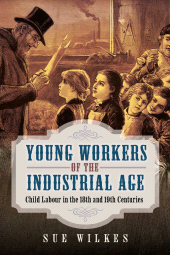
Young Workers of the Industrial Age : Child Labour in the 18th and 19th Centuries
272 p.
The industrial revolution was forged with the lives of our ancestorschildren.All over Britain, children and young people toiled for hours every day. Their workplaces were pitch-dark mines, fiery furnaces, brightly-lit mills with deadly machines, and mud-filled brickyards.Some workers were pauper apprentices, sent thousands of miles from their homes and indentured until the age of twenty-one.Almost every item in our ancestorshomes and wardrobes was made by children and youngsters: buttons, glass, carpets, cotton, cutlery, pins, candles, lace, pottery, straw hats, and even matches.In grand houses and ordinary homes, tiny chimney sweeps climbed chimneys choked with soot, and boys and girls worked as domestic servants. On the land, both sexes worked in all weathers. Children worked at home, too many helped their parents earn a living.From the early 1800s, men like Robert Owen tried to improve childrenlives. But reform was held back for decades by wealthy mill-owners, landowners and politicians who believed that
profits were more important than people.Sue Wilkes tells the story of the battle for workplace and educational reforms led by Lord Shaftesbury, Richard Oastler, and the indefatigable factory inspectors. But it took many decades to transform societyattitude towards childhood itself.Young Workers of the Industrial Age takes a fresh look at the childhoods stolen to create Britainindustrial empire. [Publisher's Text]
-
Informazioni
ISBN: 9781036113872
Iva esclusa
PDF
E-book
E-book
Leggi le condizioni d'uso