
2013 - Blackwell
ID: 6276309
E-book PDF (5,97 Mb)
Compatible solo con Adobe Acrobat Reader - software gratuito - (descubra cómo abrir los archivos)
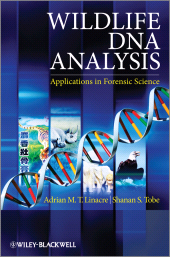
Wildlife DNA Analysis : Applications in Forensic Science
352 p.
is followed by a detailed section on the science behind DNA typing including the problems in isolating DNA from trace material and subsequent genetic analysis are also covered. The book then undertakes a comprehensive review of species testing using DNA, including a step-by-step guide to sequence comparisons. A comparison of the different markers used in species testing highlights the criteria for a genetic marker. A full set of case histories illustrates the use of the different markers used. The book details the use of genetic markers to link two or more hairs/feathers/leaves/needles to the same individual organism and the software used in population assignment. The problems and possibilities in isolating markers, along with the construction of allele databases are discussed. The book concludes with evaluation and reporting of genetic evidence in wildlife forensic science illustrated by examples of witness statements. An accessible introduction to this fast developing area of research within forensic
science. Case studies throughout to link theory and practice and to highlight the use of DNA testing in species testing. Covers both crimes against wildlife and offences where wildlife can provide vital evidence. Assumes only a basic background knowledge of DNA. Includes a comprehensive review of species testing using DNA, including a step-by-step guide to sequence comparisons. [Publisher's Text]
100000 characters.
-
Información
ISBN: 9781118496558
COLECCIÓN
IVA excluido
PDF
E-book
E-book
Consulta las condiciones de uso