

2014 - Casemate Group
ID: 5328679
E-book PDF (6,09 Mb)
Compatible solo con Adobe Acrobat Reader (leer más)
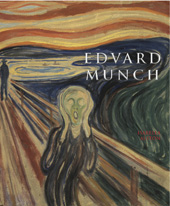
Edvard Munch
96 p.
Edvard Munch's career is effectively divided into two periods: those before and after his mental breakdown in 1908. Prior to his psychiatric treatment and recuperation, the underlying themes of his work bounced between dark sorrow and an overt, aggressive sexuality. But after his breakdown, when he had returned to his homeland of Norway after two decades in France and Germany, his work took a decidedly positive turn in theme and subject. Munch's body of work is now being revisited in a modern context. In recent years Munch has finally gained the attention and appreciation of the public and critics alike. The art world was caught off guard when in May 2012 a pastel version of The Scream , created in 1895, sold at auction for {dollar}119.9 million. The Nazis labeled Munch's art degenerate" along with the art of his contemporaries such as Picasso, Matisse, his beloved Gauguin, and Paul Klee. Eighty-two of Munch's paintings were confiscated by the Nazis, but most have now been found. [Publisher's text].
Special access authorizations may apply; please contact us for further information.
-
Información
ISBN: 9781844063819
COLECCIÓN
IVA excluido
PDF
Consulta las condiciones de uso