
2021 - Blackwell
ID: 6235397
E-book PDF (13.64 Mb)
Compatible only with Adobe Acrobat Reader - free software - (find out how to open the files)
Selenium Contamination in Water
432 p.
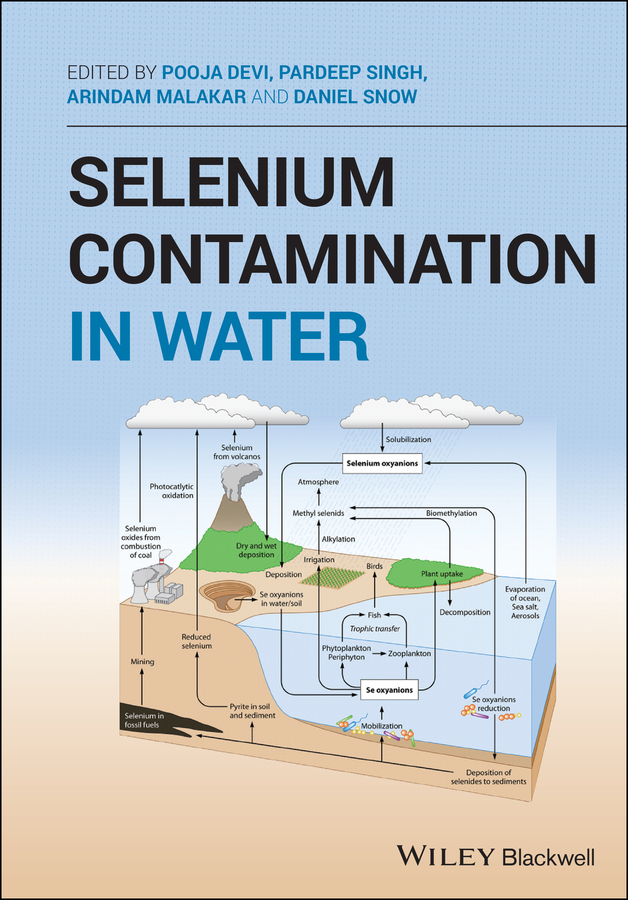
The contamination of environment and water resources by Selenium (Se) and its oxyanions from various sources are emerging contaminants of significant health and environmental concern. The primary sources include agricultural drainage water, mine drainage, residues from fossil fuels, thermoelectric power plants, oil refineries, and metal ores. Various methods and technologies have been developed which focus on the treatment of selenium-containing waters and wastewater. High concentrations of selenium in water cause various adverse impact to human health, such as carcinogenic, genotoxic, and cytotoxic effects. But in the lower concentrations, it is a useful constituent of the biological system. The range between toxicity and deficiency of selenium is minimal (40 to 400μgper day), due to its dual nature. Selenium Contamination in Water â¯contains the latest status and information on selenium's origin, itschemistryand its toxicity to humans.The book representsa comprehensive and advancedreferencebook for
students, researchers, practitioners, and policymakers in working in the field of metalloids, in particular selenium. A special emphasis is given on its geological distribution, monitoring techniques, and remedial technologies. As such, the authors criticallyanalyzethe various techniques used for the monitoring and removal of selenium from water. Featuringchaptersarrangedaccording to the major themes of the latest research,with specific case-studies from industrial experiences of selenium detection and removal,Selenium Contamination in Water⯠will be particularly valued byresearchers, practitioners, and policymakers in working in the field of metalloidsincludingselenium. [Publisher's Text]
1053221 characters.
-
Information
ISBN: 9781119693536
VAT Excluded
PDF
E-book
E-book
View the Terms of Use