
2025 - New India Publishing Agency
ID: 6355263
eBook PDF (27,27 Mb)
Nur mit Adobe Acrobat Reader kompatibel - kostenlose Software - (erfahren Sie, wie Sie die Dokumente öffnen)
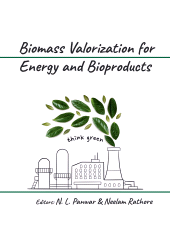
Biomass Valorization for Energy and Bioproducts
344 p.
In the modern day, it is imperative to establish a circular economy that uses sustainable approaches for waste management. Furthermore, the main fuel sources for the transportation industry, fossil fuels, are now running dangerously low. Environments and energy are essential components of daily living and provide a path for our sustainable development. Therefore, we need to find renewable resources to make biofuels in order to address these global concerns without adding to our carbon footprint. Due to their widespread use as primary energy sources, fossil fuels pose a threat to their depletion and the production of numerous hazardous greenhouse gases. This calls for the effective use of energy as well as access to alternate energy sources, such as bioenergy. The supply of biomass, the competition between the different applications of biomass, and sustainability issues are always key concerns for the deployment of bioenergy. Under such circumstances, agricultural waste materials are becoming more and more
well-liked as readily available and reasonably priced substitutes for fossil fuels in the manufacturing of a range of products with added value, such as fuel additives, fuel components, and renewable fuels. Beyond the energy and climate aims, the production of bioenergy holds great promise for a number of social, economic, and environmental benefits. Bioenergy is essential for improving agricultural opportunities and promoting sustainable development in rural areas. With the production of food, water, ecosystems, and health as well as bioenergy synergies, careful planning and management can result in a number of benefits
698203 characters.
-
Informationen
ISBN: 9789358876048
THEMENBEREICHE
MwSt ausgenomen
PDF
eBook
eBook
Erlaubte Funktionen anzeigen