2004 - Brookings Institution Press
ID: 6192613
eBook PDF (1,11 Mb)
Nur mit Adobe Acrobat Reader kompatibel - kostenlose Software - (erfahren Sie, wie Sie die Dokumente öffnen)
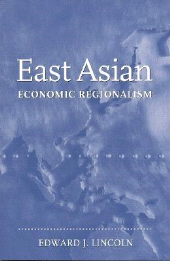
East Asian Economic Regionalism
292 p.
something that the U.S. government should encourage or discourage? Edward Lincoln takes up these questions, exploring what is happening to regional trade and investment flows and what sort of regional arrangements are the most sensible.Lincoln argues that an exclusive grouping is unlikely. Free trade negotiations have brought some economies in the region together, but they also have led to links with nations outside the region. Some regional governments most notably Japan, continue to have difficulty embracing the concept of free trade, even with favored regional partners. In the wake of the Asian financial crisis, governments also have looked at cooperating on exchange rates, but they have done little to move forward.The U.S. government must decide how to respond to these developments in East Asia. An exclusively Asian form of regionalism could run counter to American economic interests, and the U.S. government has reacted negatively to some of these proposals in the past. Because trade and investment links
between the co [Publisher's text]
-
Informationen
ISBN: 9780815796374
THEMENBEREICHE
MwSt ausgenomen
PDF
eBook
eBook
Erlaubte Funktionen anzeigen