
2025 - Bloomsbury Publishing
ID: 6180021
eBook EPUB
Mit dem Torrossa Reader lesbar (lesen Sie mehr)
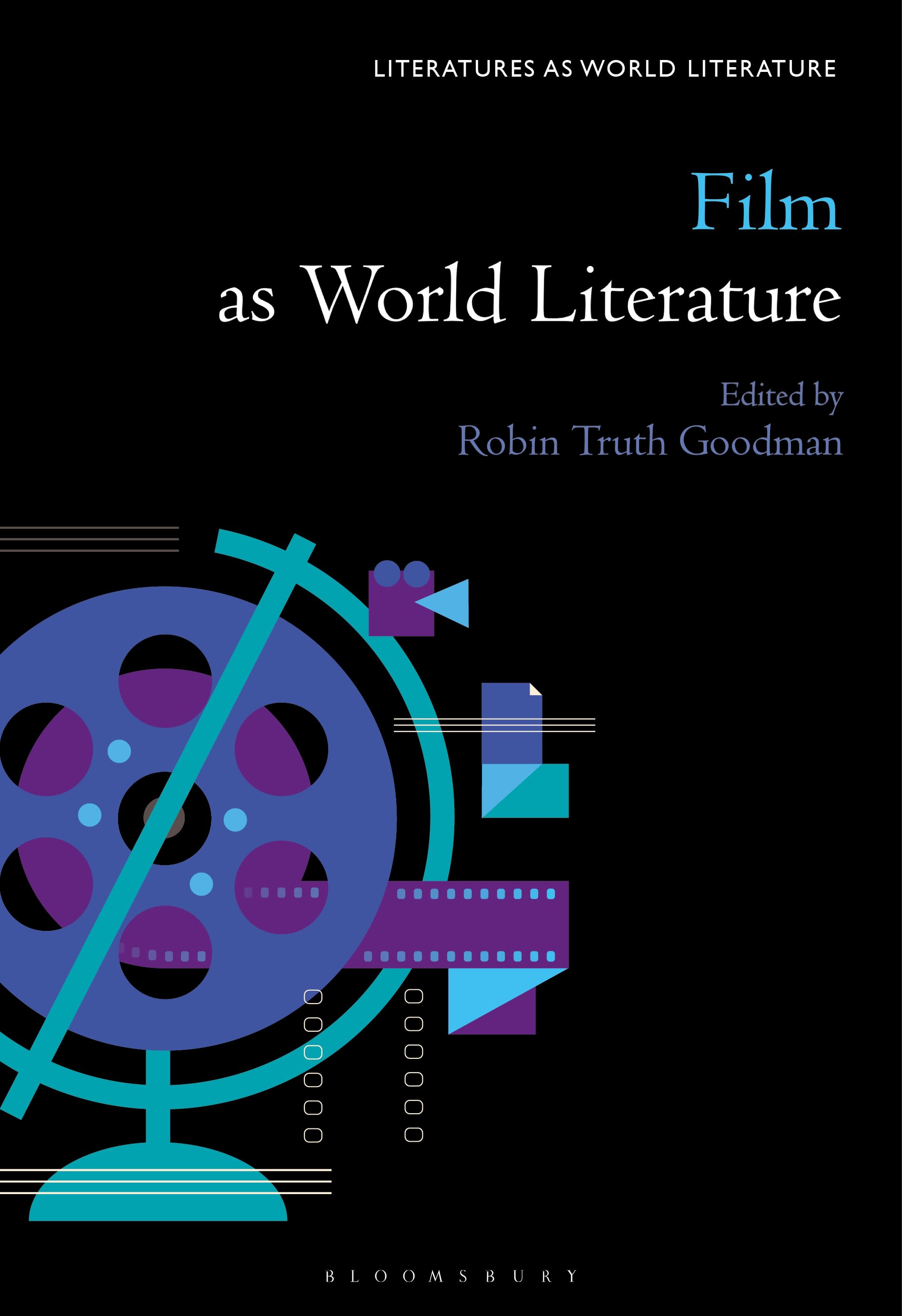
Film as World Literature
Redefines the theoretical and thematic contents of world literature by considering it in connection with film.What gets lost when we understand film as essentially different from literature? What gets lost when we think them essentially the same? Does the constructed difference between literature and film also create social and political exclusions, exclusions that may exacerbate class struggle or exclusions of certain ways of thinking the future as different? Film as World Literature seeks to undo disciplines and disciplinarity: the division between film and literature, indeed, conceals the possibilities of "world\u0022 by bracketing out "undisciplined\u0022 parts. Contributors apply ideas of "translatability\u0022 and "untranslatability\u0022 not just as a linguistic exercise of transfers between language groups, cultures, and national origins but also as an approach to media and transfers between media. Is film a visual acknowledgement that literary language is, by definition, multilingual - that is, is
film a place where political conflicts, as Bakhtin observed, can be rendered visible? Chapters discuss film's relation to world literature not only by considering literary adaptations across nations, regions, languages, ideologies, and contexts but also by exploring film's intersections with literary theory, narrative, history, genre, and experimentation.Film as World Literature calls for recognition that while the category of "world\u0022 demands a radical defense in the face of risks to democracy, the world that literature and film combined bring forth must interrogate the conditions for a future politics of interaction, engagement, belonging, and difference. [Publisher's text]
766758 characters.
-
Informationen
ISBN: 9798765113424
MwSt ausgenomen
 EPUB
EPUB eBook
Erlaubte Funktionen anzeigen